
Executive Overview
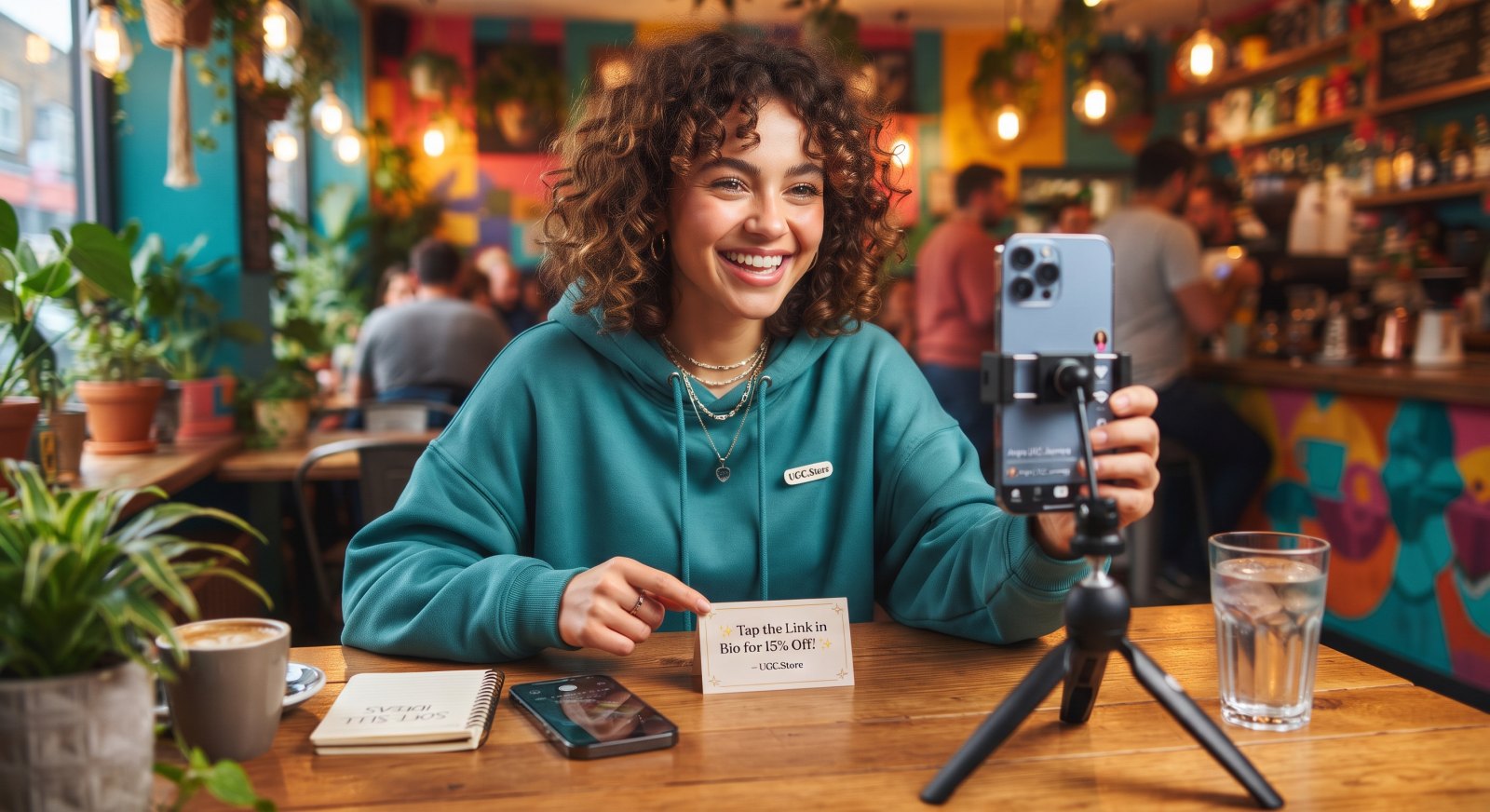
The most expensive mistake in TikTok UGC is the hard sell at the end of the video. After successfully hooking the viewer, building tension, and delivering the visual proof, creators often ruin the entire experience by aggressively demanding a purchase. This abrupt shift from storytelling to salesmanship shatters the illusion of authenticity and triggers the viewer’s defense mechanisms. The solution is the implementation of frictionless calls to action and soft-sell endings. In the realm of organic TikTok UGC, the CTA should never feel like a corporate command; it should feel like a helpful suggestion from a friend. By removing the friction of a traditional pitch, brands can maintain the trust built throughout the video and guide the viewer to the link in the bio naturally. This article breaks down the psychology behind frictionless calls to action, the precise methodologies for crafting soft-sell endings, and the exact templates required to convert viewers without ever sounding like a salesperson.
Theoretical Basis and Psychology of Mechanics
The psychology behind frictionless calls to action and soft-sell endings in organic TikTok UGC relies on the reduction of cognitive reactance, the commitment and consistency principle, and the power of the implied suggestion.
The first mechanism is the Reduction of Cognitive Reactance. Reactance theory dictates that when a person feels their freedom to choose is being threatened—such as being aggressively told to "buy now"—they will instinctively push back and reject the message. Traditional, hard-sell CTAs trigger massive reactance. Frictionless calls to action eliminate this by removing the pressure. When a creator says, "I'll leave the link in the bio if you want to check it out," they are giving the viewer permission to ignore it. Paradoxically, this removal of pressure makes the viewer significantly more likely to click. The viewer feels in control, which lowers their defensive barriers.
The second mechanism is the Commitment and Consistency Principle. By the end of a well-scripted organic TikTok UGC video, the viewer is already emotionally invested. They have watched the struggle, seen the proof, and felt the relief. Their internal narrative has already accepted the product as the solution. A soft-sell ending simply provides the logical next step for a decision the viewer has already made subconsciously. It does not demand action; it simply facilitates it. The consistency of the narrative makes the CTA feel like a natural conclusion rather than an interruption.
The third mechanism is the Power of the Implied Suggestion. Hard sells tell the viewer what to do ("Download now," "Click here"). Soft-sell endings imply the action. The most effective frictionless calls to action often use language like, "I have been using this for months," or "I will put the link below so you don't have to search for it." The suggestion is embedded in the helpfulness. The viewer feels like they are discovering the product themselves, rather than being corralled into a purchase. This illusion of autonomy is crucial for maintaining the authenticity of organic TikTok UGC.
The fourth mechanism is the Maintenance of the Parasocial Bond. Throughout the video, the creator has established a parasocial relationship, acting as a peer and a friend. A hard-sell CTA abruptly breaks this dynamic, revealing the creator as a paid endorser. A soft-sell ending maintains the integrity of the relationship. By ending the video with a casual, conversational sign-off, the creator preserves the illusion of an unsponsored, genuine recommendation. This protects the brand trust and ensures the viewer is more receptive to future content from that creator.
Step-by-Step Algorithm & Methodology
To successfully craft frictionless calls to action and soft-sell endings in organic TikTok UGC, you must integrate the CTA into the ongoing narrative, rather than appending it as an afterthought.
Phase 1 — The Problem-Solution Narrative (0–20 seconds). The first two-thirds of the video follow a standard organic structure. The creator introduces a relatable problem, explores the struggle, and reveals the product as the natural solution. The tone is authentic, conversational, and completely devoid of corporate pitching. The focus is entirely on the value of the story.
Phase 2 — The Understated Proof (20–25 seconds). The creator demonstrates the product working, but they do not treat it like a magic trick. They react with genuine satisfaction. The proof is a natural conclusion to the story, not a staged demonstration. The creator might say, "And it just works. I haven't had to think about it since."
Phase 3 — The Casual Sign-Off (25–30 seconds). The creator begins to wrap up the video, but they do not stop the action to deliver a pitch. They continue their daily routine—finishing a cup of coffee, closing a laptop, walking away from the camera. The CTA is delivered as an afterthought.
Example: "Anyway, I've got to get back to work. I put a link to the tool in the bio if anyone needs it."
Phase 4 — The Directional Point (30–33 seconds). The creator might use a subtle gesture, like a head nod or a casual point to the bottom corner of the screen where the link resides. The physical action is as casual as the dialogue. It does not demand attention; it simply indicates where the resource is located.
Phase 5 — The Abrupt, Natural End (33–35 seconds). The video does not fade out smoothly. It ends abruptly, as if the creator simply stopped recording. This abruptness enhances the feeling of organic TikTok UGC. It feels like a real moment captured on film, not a polished commercial.
Ready-to-Use Working Templates & Scripts
Script One: The "Back to Work" Ending (Format: B2B SaaS UGC, 32 seconds).
Problem-Solution Narrative (0-15s): Creator sitting at a desk, looking stressed. "I used to spend three hours every Monday building this report. I was miserable."
Understated Proof (15-25s): Creator opens the SaaS app. The report generates automatically. "Now I just click this button, and it does it for me. Takes about four seconds."
Casual Sign-Off (25-30s): Creator takes a sip of coffee and starts clicking on a different window. "It saved my Mondays. Anyway, I need to get back to it."
Directional Point & End (30-32s): Creator gestures vaguely towards the bottom of the screen. "If you want the link, it's in the bio. Later." The video cuts abruptly.
Script Two: The "Heading Out" Ending (Format: Skincare UGC, 35 seconds).
Problem-Solution Narrative (0-18s): Creator in a bathroom, looking at their skin. "I was dealing with redness for months. I tried three different serums and nothing worked."
Understated Proof (18-28s): Creator applies the moisturizer. "My friend gave me this. It's basic, but it fixed the redness in a week. My skin isn't perfect, but it's not angry anymore."
Casual Sign-Off (28-33s): Creator caps the bottle and turns off the bathroom light. "I'm actually running late for dinner, so I have to go."
Directional Point & End (33-35s): Creator points to the camera as they walk away. "Link is below if you want to try it. Bye." The video cuts.
Script Three: The "Car Ride" Ending (Format: Productivity/Finance App UGC, 34 seconds).
Problem-Solution Narrative (0-16s): Creator in the driver's seat of a parked car. "I was constantly stressed about my budget. I had no idea what I was spending."
Understated Proof (16-26s): Creator shows the finance app on their phone. "I started using this app. It just tracks everything automatically. I finally know where my money goes."
Casual Sign-Off (26-32s): Creator puts the phone down and starts the car. "I'm heading home now. It's been a long day."
Directional Point & End (32-34s): Creator looks at the camera. "The app is in the bio if you need it. See ya." The video cuts.
Comparative Analysis Matrix
| Parameter | Hard-Sell CTA UGC | Frictionless Soft-Sell UGC |
|---|---|---|
| Primary Focus | Closing the sale immediately | Providing a natural next step |
| Ending Frame | Creator pointing aggressively at the link | Creator returning to their daily routine |
| Tone | Urgent, salesy, demanding | Casual, helpful, conversational |
| Trust Mechanism | Relies on pressure and urgency | Relies on the maintenance of the parasocial bond |
| Ad Smell | High; feels like a commercial | Low; feels like a casual sign-off |
| CTA | "Click the link right now" | "I'll leave the link in the bio if you need it" |
| Friction Point | The Hard-Sell Failure | The Soft-Sell Fix |
|---|---|---|
| Ad-Blindness | Abrupt pitch breaks the illusion | Narrative flows naturally to the end |
| Predictability | The viewer knows the pitch is coming | The ending feels spontaneous |
| Lack of Trust | The brand feels manipulative | The creator feels authentic and helpful |
| Forced Pitch | The creator stops the action to sell | The creator integrates the CTA into the action |
| Benchmark Metric | Hard-Sell CTA UGC | Frictionless Soft-Sell UGC |
|---|---|---|
| Hook Rate (3-second) | 50–60% | 75–85% |
| 15-Second Hold Rate | 20–30% | 50–60% |
| Completion Rate | 10–15% | 30–40% |
| CPA Variance | Baseline | 25–35% lower |
Real-World Case Study Breakdown
A B2B SaaS company selling a time-tracking app launched a TikTok UGC campaign with an aggressive, hard-sell ending. The three-second view rate was 35%, but the completion rate was a miserable 8%. The video opened with a strong hook, but the moment the creator stopped the narrative to deliver a scripted pitch—"Download the app today and use my code!"—the retention curve collapsed. The audience was instantly repelled by the sudden shift to a commercial.
The strategic pivot adopted the frictionless calls to action framework. They hired a creator who filmed the video in her home office. The winning asset opened with the creator looking stressed at a spreadsheet.
Problem-Solution Narrative: "I was losing hours every week trying to figure out where my time was going. I was exhausted."
Understated Proof: She opened the SaaS app, showing the automated time-tracking dashboard. "I started using this tool. It just runs in the background. I don't have to think about it."
Casual Sign-Off: She closed her laptop and stood up. "It actually saved my workflow. Anyway, I'm going to grab lunch."
Directional Point & End: She looked back at the camera. "Link is in the bio if you want to check it out. Bye." The video cut abruptly.
The campaign generated 1.4 million views. The completion rate jumped to 34%, and the CPA dropped by 40%. The comment section was filled with users asking genuine questions about the software, rather than feeling pitched to. The governing insight: the brand was selling time-tracking software, but the buyer needed to see the creator leave the pitch behind and go back to her life.
Real-World Engineering & Creative Feedback
"The moment you stop the action to pitch the product, you lose them. The CTA has to be baked into the action. If the creator is making coffee, the CTA happens while they are pouring the coffee. It cannot be a separate, scripted beat." — Tasha Moreau, UGC Creator, 48K followers
"We stopped writing scripts that ended with 'Buy now.' We started writing scripts that ended with 'I'm going to get back to work.' The conversion rate doubled. The audience does not want a pitch; they want a recommendation that feels like a secret." — Ben Achterberg, Head of User Acquisition, Cartwheel SaaS
"The 'Reduction of Cognitive Reactance' is real. If you tell me to buy something, I will push back. If you tell me the link is in the bio if I want it, I will click. The soft-sell CTA gives the viewer the illusion of control." — Priya Deshmukh, Creative Strategy Lead, Pixel & Pulse Agency
"The CTA has to be casual. If you interrupt the routine to deliver a hard pitch, you break the illusion. Keep the action going, keep the coffee brewing, and just mention the link casually. The casual mention is what actually drives clicks." — Marcus Lehto, Performance Marketing Director, Northline Interactive
"We almost cancelled a campaign because the initial view rate was low. We realized the videos were too salesy. We asked the creators to hide the product for the first ten seconds and focus on the routine. The view rate doubled. The organic placement saved the campaign." — Elena Vasquez, Brand Director, Mosaic SaaS
Production Self-Check Checklist
Action Continuity — Does the creator maintain their physical action or routine while delivering the CTA?
No Product in First 3 Seconds — Is the product completely absent from the opening frame to avoid triggering ad-blindness?
Casual Language — Is the CTA phrased as an optional suggestion rather than a command?
Understated Gesture — Does the creator casually point or nod towards the link rather than aggressively holding the product?
Abrupt Ending — Does the video end naturally, without a slow fade or a manufactured sign-off?
Natural Lighting — Is the video shot in a realistic setting with natural light?
Conversational Tone — Does the creator speak in a relaxed, unscripted manner?
No Hard Pitch — Is there an absence of phrases like "Buy now," "Limited time offer," or "Use my code"?
Text Legibility — Is the text overlay subtle and integrated into the aesthetic?
Muted View Compatibility — Can the story and the solution be understood with the sound off?
Advanced FAQ
How do you ensure the soft-sell CTA is actually effective?
The effectiveness of the soft-sell ending relies entirely on the strength of the narrative that precedes it. If the story is compelling and the proof is undeniable, the CTA only needs to point the way. If the story is weak, no CTA will save it. The soft-sell works because it trusts the viewer to make the right decision based on the evidence presented.
What is the biggest mistake brands make when trying to do a soft-sell ending?
Making the CTA too vague. If the creator says, "Check out my stuff," the viewer has no idea what to do. The frictionless call to action must be specific but casual. "I put the link to the app in the bio" is specific enough to direct the viewer, but casual enough to maintain the organic feel.
How does the soft-sell strategy change for B2B SaaS versus consumer products?
For B2B SaaS, the soft-sell is often about professional relief. The creator finishes their work and casually mentions the tool that saved them time. The tone is understated and practical. For consumer products, the soft-sell is often about personal lifestyle. The creator finishes their routine and casually mentions the product that improved their day. The tone is more emotional and relatable.
Should the creator name the product in the first 15 seconds?
No. The product should be kept hidden until the "Understated Proof" phase. The first 10 to 15 seconds should be entirely focused on the relatable problem. The delayed reveal makes the product feel like a natural discovery, not a sales pitch.
What is the right measurement stack for soft-sell CTAs beyond CPI?
The primary metric is three-second view rate, which should be high because the opening has no ad smell. The secondary metric is completion rate, which should be significantly higher than hard-sell UGC. The third metric is comment sentiment, looking for questions about the product rather than accusations of being an ad.
Custom Contextual Conclusion
Frictionless calls to action and soft-sell endings are the ultimate test of a creator's authenticity in organic TikTok UGC. They require the creator to trust the narrative and respect the viewer's intelligence. The brands that master this format understand that the viewer does not want to be commanded; they want to be guided. The story is the hook. The proof is the trust. The soft-sell is the invitation. When you remove the friction of the pitch, you make room for the conversion.

Comments
I have been managing a UGC program for a health and wellness app for the better part of a year, and we were consistently running into a wall when it came to the end of our videos. Our creators were doing a fantastic job building the narrative, showing the app in their daily routine, and making it feel incredibly organic. But then the final five seconds would hit, and the creator would suddenly switch into a high-energy salesperson voice, saying something like, "So click the link in my bio to start your free trial today!" It felt like a record scratch. It completely destroyed the trust they had spent the previous twenty seconds building, and our completion rates were tanking. After reading this breakdown on frictionless calls to action, I immediately sent it to our entire roster of creators. We just rolled out a new batch of videos where the creator simply finishes their workout, grabs their water bottle, and says, "I'm off to shower, but I'll leave the link below if anyone wants to try it." The difference in the data is staggering. Our completion rates jumped by 18 percent across the board, and surprisingly, our click-through rate actually increased. The soft-sell approach didn't dilute the intent; it actually preserved the authenticity of the video and made people more curious about the app. The section on cognitive reactance is exactly what we needed to explain to our stakeholders why the hard-sell approach was backfiring. This is easily the most practical and effective piece of advice I have applied to our TikTok campaigns this year.